The Pula Arena

Pula

The sights of Pula

The Arena

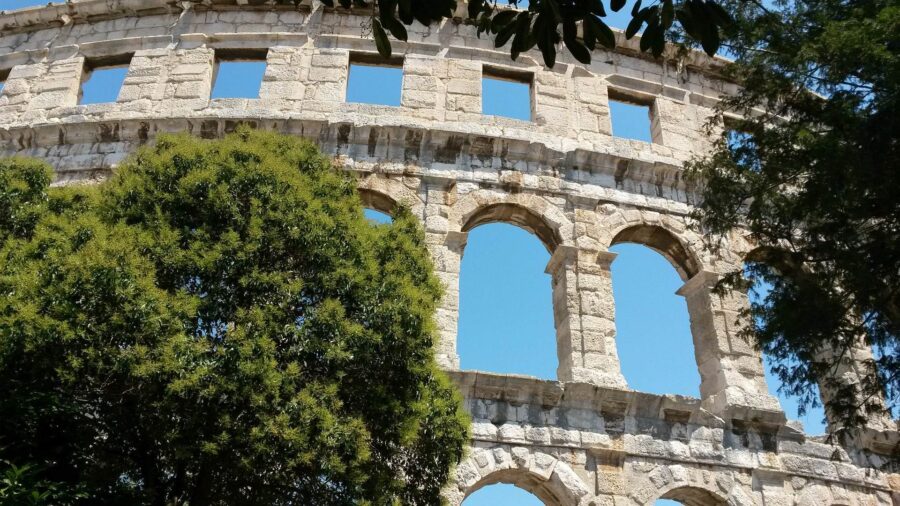
The Arena served as a place for gladiator fights and could hold up to 20,000 spectators. There are no written sources about the construction of the most monumental building in Pula's history, but construction most probably began under Emperor Augustus. It was built as a venue for gladiator fights, which were held there until the 5th century, and today it is used as a stage for the Histria Festival and the Pula Film Festival. In the basement there is a museum with a rich collection of archaeological exhibits.
The Pula Arena

The Golden Gate

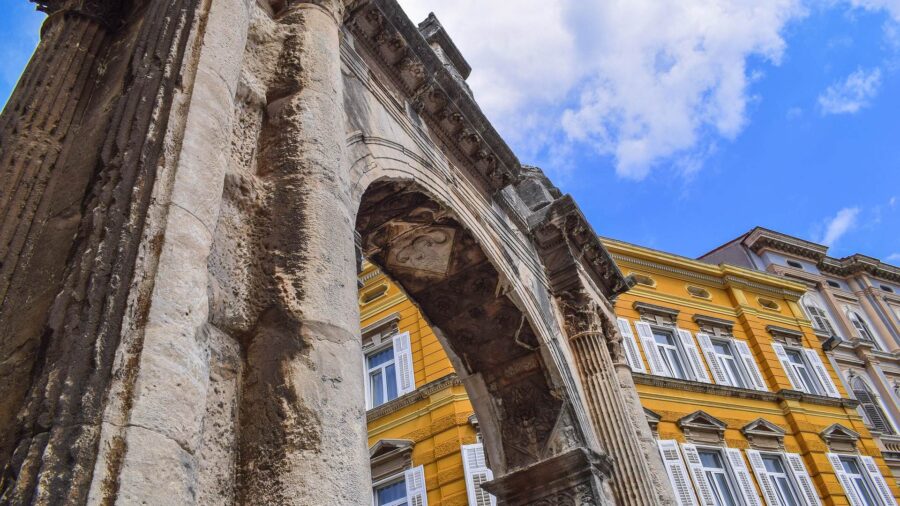
The Golden Gate was built by the Sergii family in honour of members of the family. Today, together with the Triumphal Arch, this space serves as a stage for cultural events on the square.

The Golden Gate in Pula

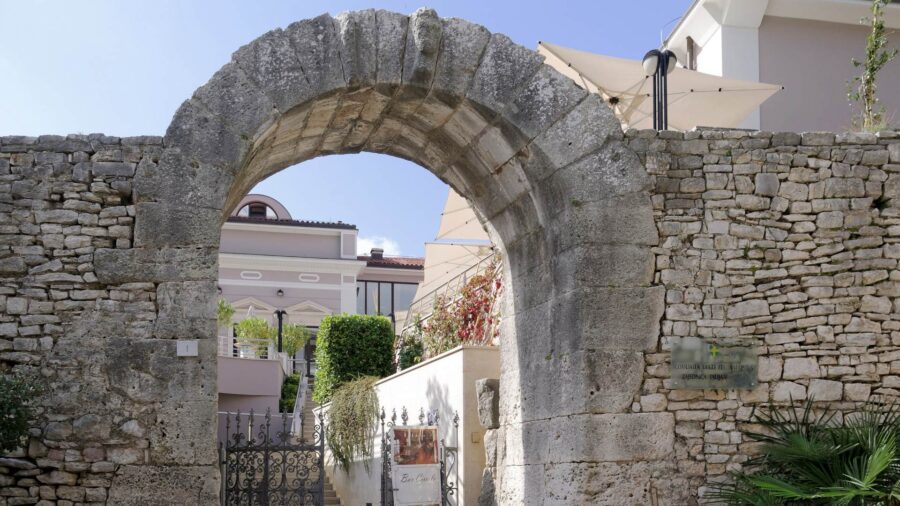
The Gate of Hercules

The gate that modestly emerges between two medieval towers bears a carved head of Hercules and his club, which is why it is called the Gate of Hercules. The names of two officials carved on the gate are tied to events and times before Christ, which makes it a particularly important historical monument.

The Gate of Hercules in Pula

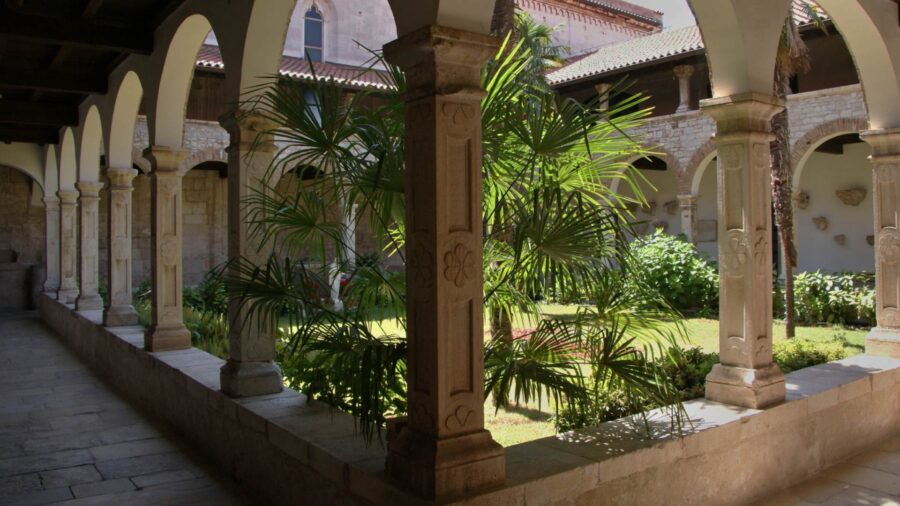
The Church and Monastery of St Francis

The church and the whole monastery complex from the 14th century stand on one of the hills and are dedicated to St Francis of Assisi. The church stands out for its late Romanesque style with Gothic details, and the perfectly kept monastery walls point to a master builder.

The Church and Monastery of St Francis in Pula

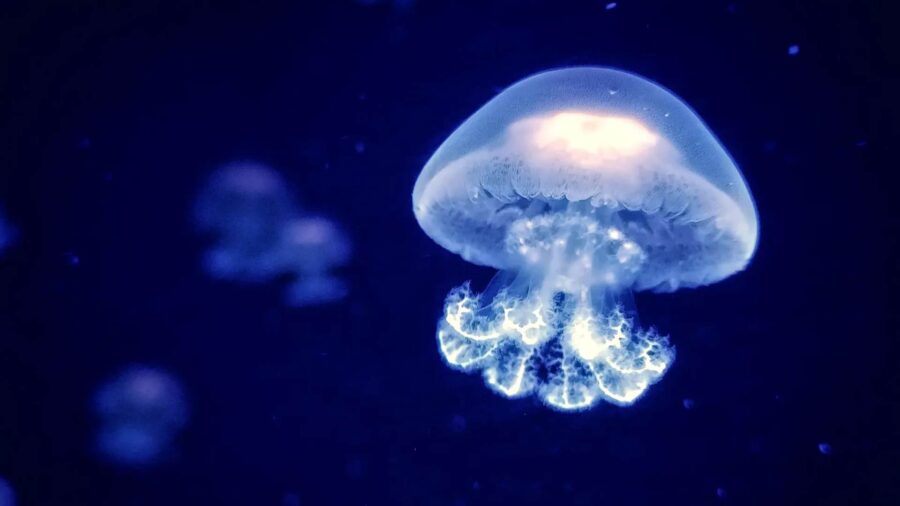
Aquarium Pula

Aquarium Pula is located in the Austro-Hungarian Verudela fortress, built in 1886 on the peninsula of the same name. The aquarium exhibition is housed in about 60 tanks on the ground floor, in the moat and on the first floor of the fortress. Over an area of about 2,000 m2, visitors will get to know the organisms of the northern and southern Adriatic, tropical marine and freshwater fish, as well as representatives of European rivers and lakes. From the roof of the fortress there is a unique view of the city of Pula and the whole of Istria, and in the fortress moat you can cool off on a summer terrace.

Aquarium Pula in the Verudela fortress

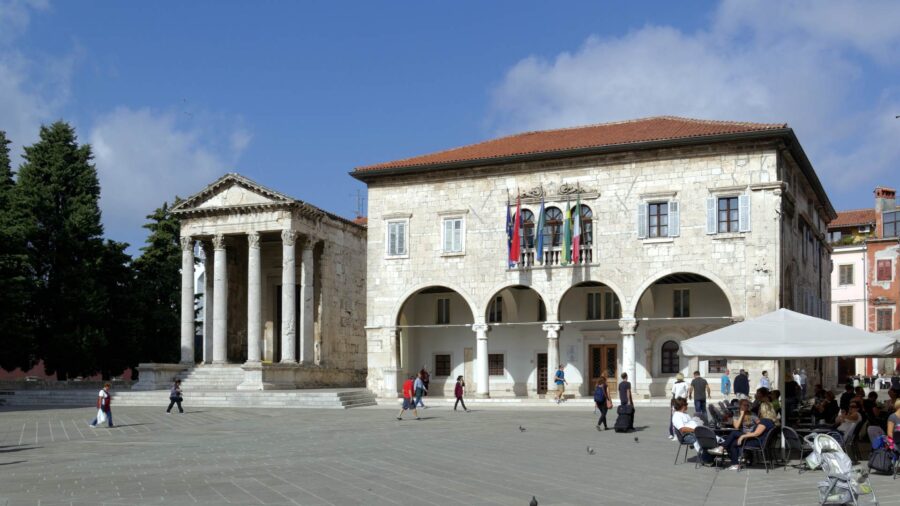
The Town Hall

Extended several times, it reveals a range of architectural styles from Romanesque to Renaissance, and is decorated with beautiful sculptures, Renaissance columns and Baroque windows. Today it is the seat of the mayor, and it was once the seat of the city government, the count or the provveditore.

The Town Hall in Pula
Call Transfers Enquiry