
Plitvice Lakes
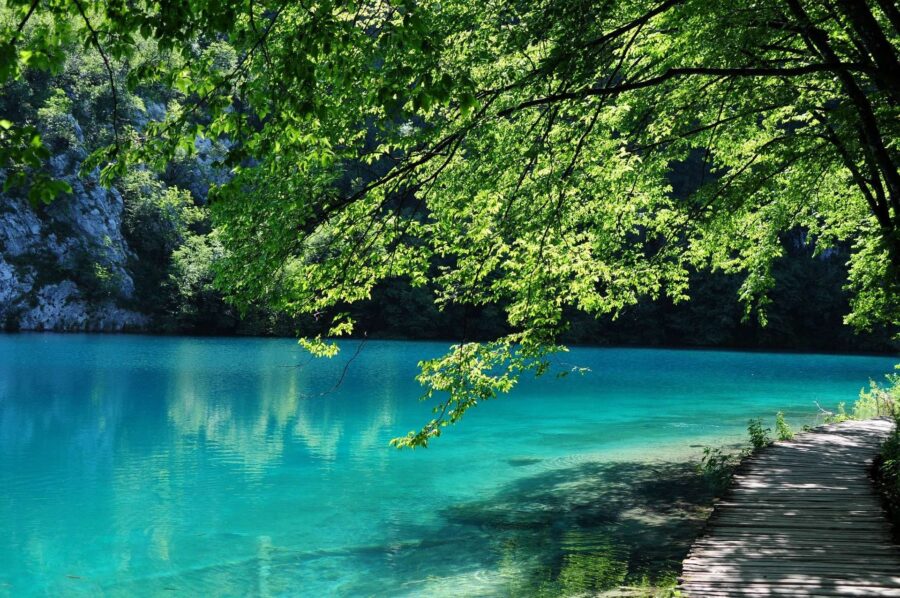
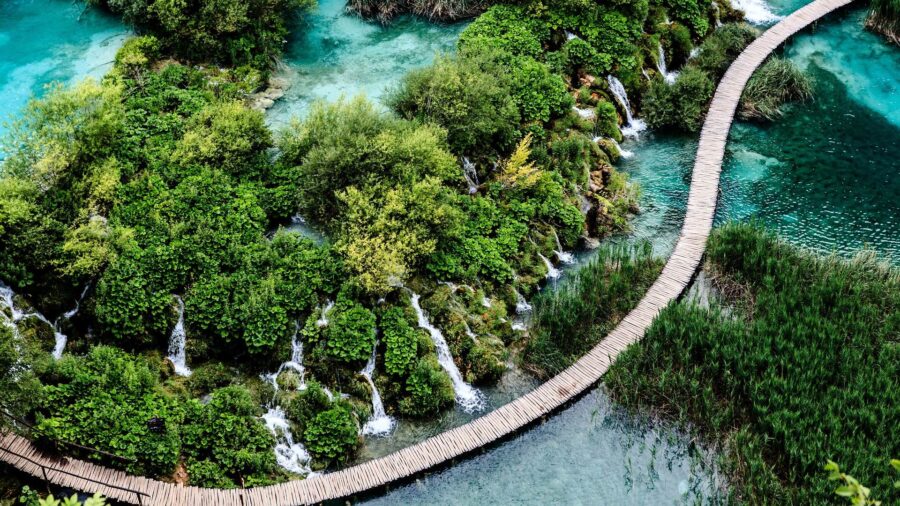
Plitvice Lakes National Park is a unique geological and hydrogeological karst phenomenon. The Plitvice Lakes complex was declared a national park on 8 April 1949. It is the largest, oldest and most visited Croatian national park. It is a wooded mountain area with 16 larger and smaller lakes of crystal blue-green colour. The lakes are fed by numerous rivers and streams and are connected to each other by cascades and waterfalls. The tufa barriers, formed over about ten thousand years, are one of the park's fundamental features. The special geographical position and specific climate have contributed to the creation of many natural phenomena and a rich biological diversity. Tufa deposits have been formed from the Pleistocene to the present day in sinkholes and depressions between the surrounding mountains. The Upper Lakes in the south consist mainly of dolomite, and the Lower Lakes in the north of limestone.
Vast forest complexes, the exceptional natural beauty of the lakes and waterfalls, the richness of flora and fauna, mountain air, the contrasts of autumn colours, forest trails and wooden footbridges and much more are part of an unrepeatable whole, which UNESCO declared a World Natural Heritage Site in 1979, among the first in the world. The park is divided into a narrower and a wider zone according to the level of protection. It lies in two counties: 91% of the park is in Lika-Senj County and 7% in Karlovac County.
The source of the river Korana, which is fed by water from the lakes, is also found at Plitvice Lakes. The climate in the national park is moderate mountain.
The first serious beginnings of tourism at Plitvice Lakes date from 1861. On Bloody Easter in 1991, the first Croatian defender, Josip Jović, was killed at Plitvice. In 2011 there were more than a million visitors for the first time in the history of this national park.
Many researchers have contributed to the knowledge and development of Plitvice Lakes, and one who stands out in particular is Ivo Pevalek, to whom a memorial plaque has been erected.